$5 Helena (MT) National Forest Trees!
USBI has arranged with the Helena (MT) National Forest to plant up to 2000 trees in the Cave Gulch-Maudlow Tosten Fire Rehabilitation area. Depending on the variety they plant (ponderosa pine, douglas fir, lodge pole pine or spruce) this could cover five to ten acres. Click here to learn more
— Biochar —
What's So Amazing about Biochar?
Biochar nourishes soils, protects water quality, provides market value to biomass waste, creates clean energy, reduces greenhouse gas (GHG) emissions and sequesters CO2 for thousands of years!
What is Biochar?
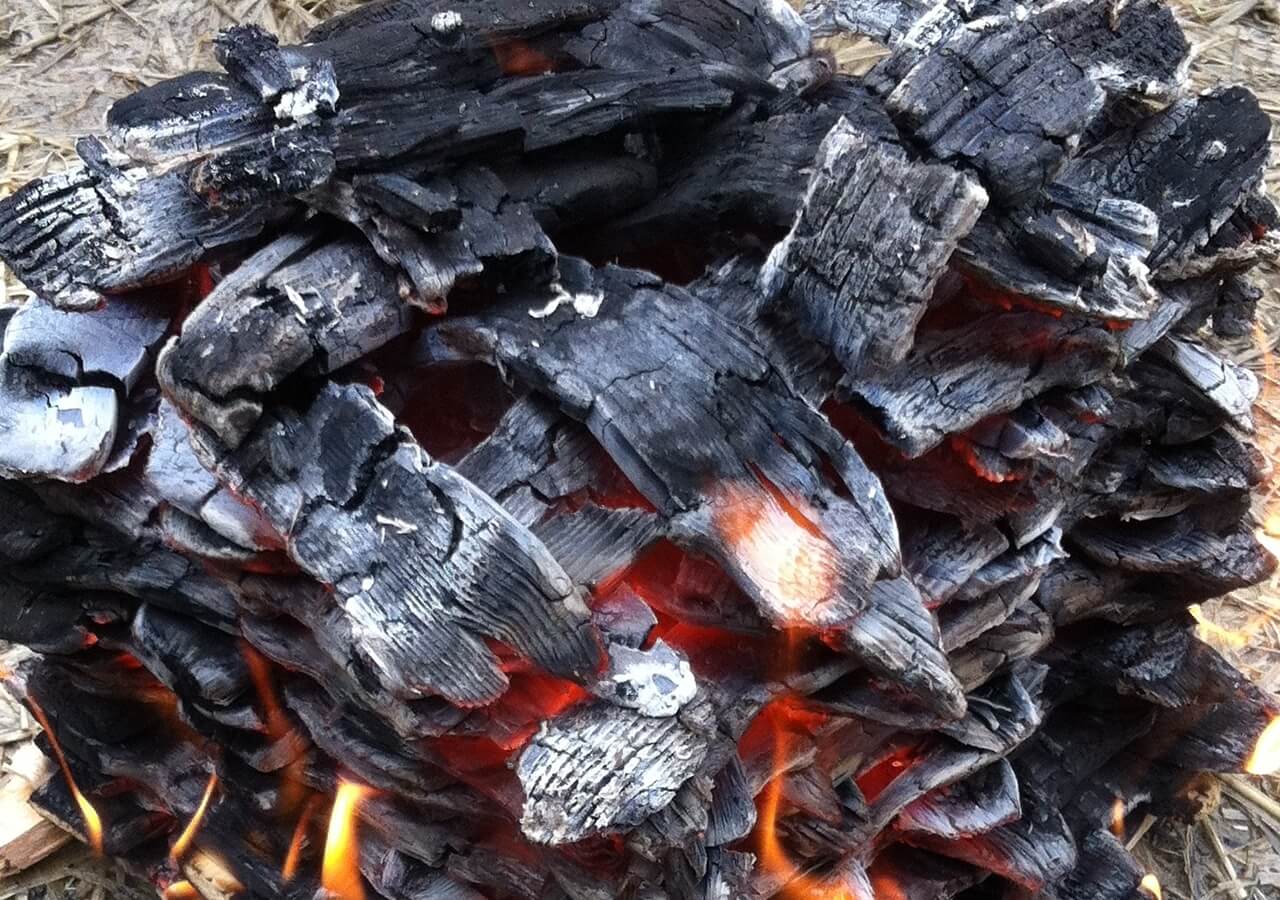
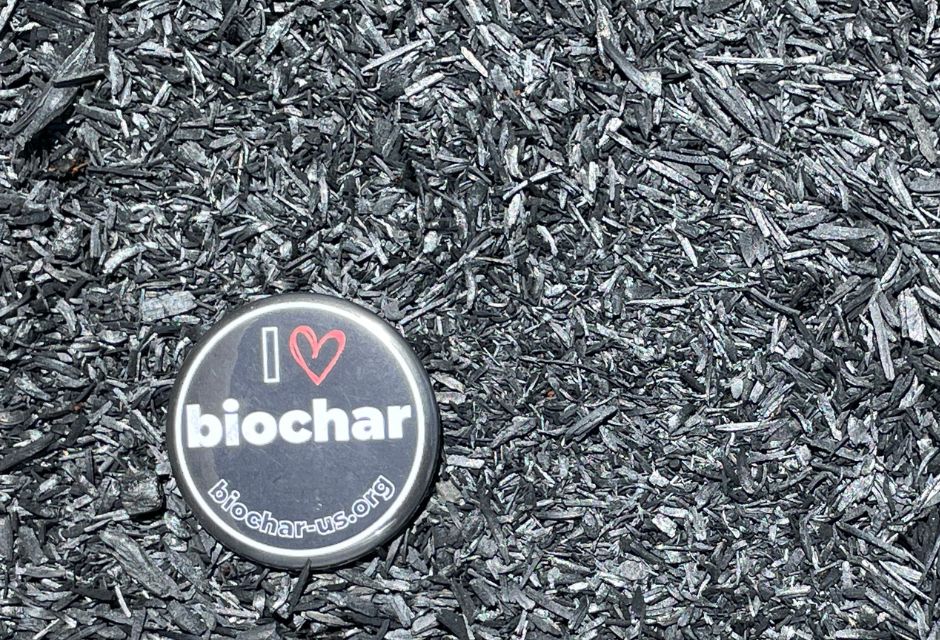
A Zero-Waste Solution— Biochar is a fine-grained charcoal made by pyrolysis (pì-rä'-la-sis), the process of heating biomass (wood, manure, crop residues, solid waste, etc.) with limited to no oxygen in a specially designed furnace capturing all emissions, gasses and oils for reuse as energy.
An Ancient Soil Conditioner— Biochar has been used in agriculture for more than 2,500 years1 and is now becoming popular in modern horticulture as a safe, sustainable soil amendment.
Biochar Enhances Soil and Protects Water Quality
Increased Nutrient and Water Retention— Biochar outshines all other organic soil material in its ability to attract and retain water and nutrients, as well as hold phosphorous and agrochemicals.2 Plants are healthier and less fertilizer runs off into surface water and leaches into groundwater.
Persistence— Biochar is relatively inert and therefore, persists in soil far longer than any other organic soil additives.3 Because biochar lasts 100s to 1000s of years, its benefits of nutrient and water retention and overall soil porosity keep working, unlike common fertilizers and conditioners.
Less Fertilizer Needed— When added to soil, biochar improves plant growth and crop yields while reducing the total fertilizer required. Nitrous oxide (NO2), a greenhouse gas, released from certain fertilizers is 310 times more potent than CO2. Biochar-conditioned soils reduce NO2 off-gassing by 50-80%.4
Biochar Fights Climate Change
Decaying or burning biomass releases CO2into the atmosphere and plants reabsorb it; this active carbon cycle has been in balance for millenia. Burning fossil fuels puts excessive CO2 into the air, more than can be absorbed naturally. This traps heat in the Earth's atmosphere. Reducing atmospheric CO2is critical to combat climate change.
A Perfect Circle Solution— Burning Biomass through pyrolysis to produce energy (heat and power) instead of burning fossill fuels is a carbon neutral process; it neither adds to the climate change problem nor reverses it.
Biochar holds 50% of the biomass's carbon and when applied to soil, sequesters that carbon for centuries, reducing the overall amount of atmospheric CO2 by removing it from the active cycle. Biochar also enhances plant growth which absorbs more CO2 from the atmosphere. Overall, these benefits make the biochar process carbon negative5 as long as biomass production is managed sustainably.
Other Biochar Benefits
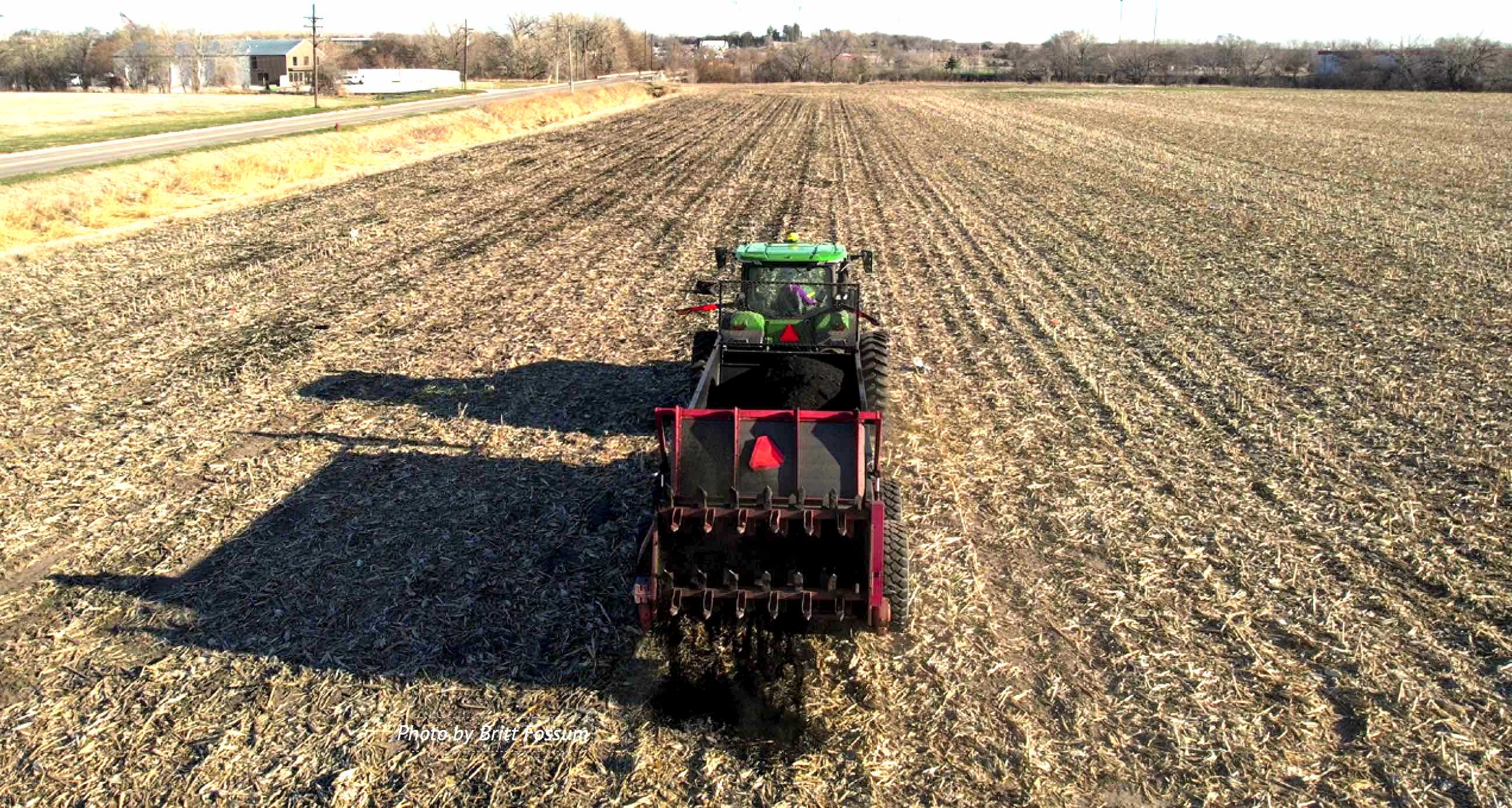
Biochar production is fully scalable in mobile and stationary pyrolysis ovens: from cooking stoves in developing countries or furnaces for household use, to on-site mobile ovens for treating forest restoration or farm wastes, to industrial-sized units for heating and power generation.
Combined Heat and Power (CHP)— Heat and power produced during pyrolysis can generate electricity and provide heat for individual homes and industries or entire communities.
Biofuels— Combustible gases, including hydrogen, are captured during pyrolysis to create syngas, a valuable fuel that can be sold or used on-site for energy production. Bio-oil is another valued energy product produced during pyrolysis.
Solid Waste Conversion— Tipping fees, overloading of landfills and open burning are avoided when bio-waste becomes a marketable marketable product. Less waste means less CO2 and methane emissions from landfills as well.
From Waste to Value— Once a worthless and costly byproduct, biomass waste is now a valuable resource. Through biochar, biomass becomes a sustainable and value-added product for urban and rural agriculture and forest communities while creating jobs, improving soil and reducing forest fire hazards, particularly in the wildland-urban interface.
Carbon Offsets— Carbon credits are valuable assets for sale or trade in the offset and cap-and-trade markets.
What's Biochar Worth?
-
Biochar is sold as a soil amendment for up to $500 per ton or $12.50/50 lbs plus shipping
-
Carbon credits sold by sequestering carbon in biochar are economically competitive when prices reach $58/ton CO2e.6 Carbon prices have ranged from $15 to $44 in the last two years.
-
Syngas and bio-oil markets are evolving. Most pyrolysis manufacturers retain these byproducts for on-site use or sell as fuel for local industry.
-
Costs, savings and benefits vary by region and situation. Studies of community-sized operations with multiple stakeholders predict a return on investment within three years. Industrial sized applications are more costly.
-
Current research focuses on avoided costs from biochar's ability to: nourish soils; increase crop yield; protect water quality from avoided burning; produce alternative energy and fuel byproducts through pyrolysis.
-
Reducing forest fire hazard is an avoided cost, although difficult to financially quantify.
- Economics will furhter improve biochar technology as it becomes more widespread and carbon prices increase.
For More Information on Biochar
The International Biochar Initiative (IBI) provides for the international exchange of information and activities in support of biochar research, development, demonstration and commercialization. It advocates biochar research and applications around the world. www.biochar-international.org
|