
“Let the Green, Save Green” Urban Soil Restoration: Helping Communities Meet Stormwater Management Requirements
In the US, lawns are the largest agricultural crop at approximately 40 million acres and growing. These acres can act as green infrastructure…

A Survey of Biochars: Interactions with Dissolved Ammonia, Nitrate, and Phosphate
Presented on August 8, 2014, by Edward Colosky - Graduate Student at the U
Creation and Distribution of Biochar on the Landscape
This short video from the US Forest Service describes a prototype forest m
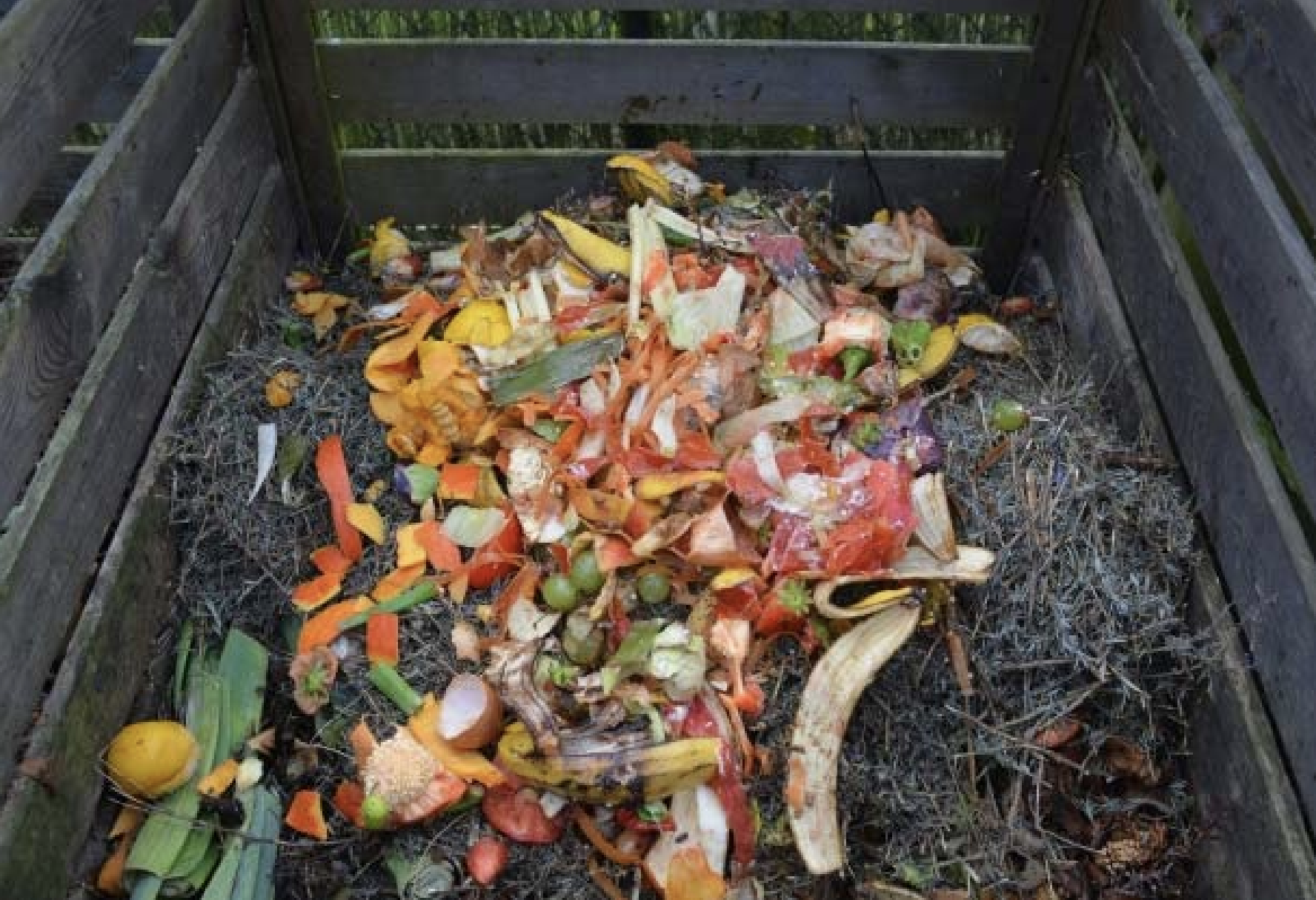
The Use of Biochar in Composting
Both compost and biochar production are methods to utilize and recycle organic wastes.
Biochar Atlas
The Biochar Atlas is an online, interactive tool from the USDA-Agricultural Research Service.
How to Charge Biochar
The simplest and most efficient method to biocharge your biochar is to simply mix it into your compost piles, stacking functions to benefit both the…
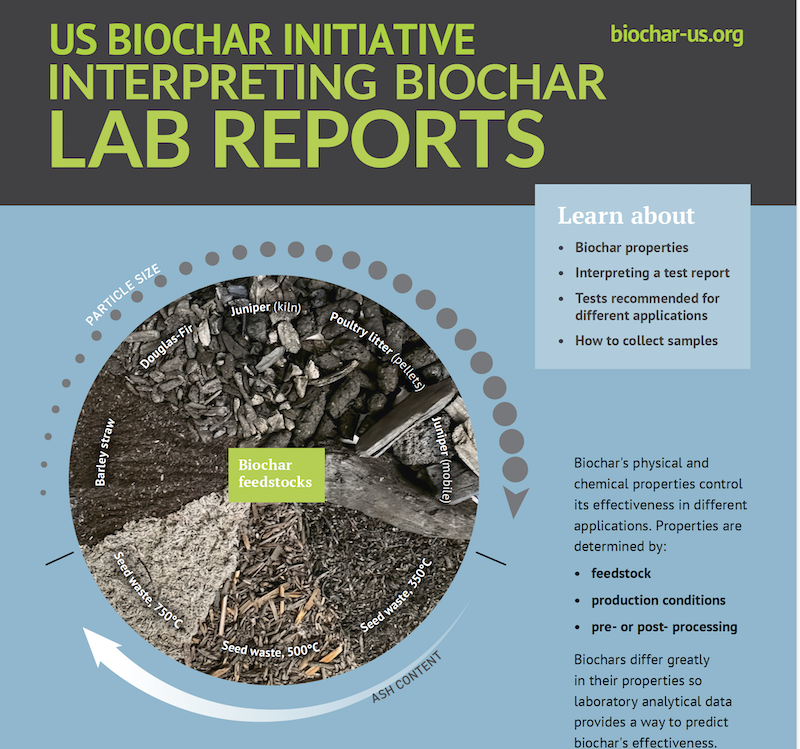
Interpreting Biochar Lab Reports
Biochar's physical and chemical properties control its effectiveness in different applications. Properties are determined by: * Feedstock *…
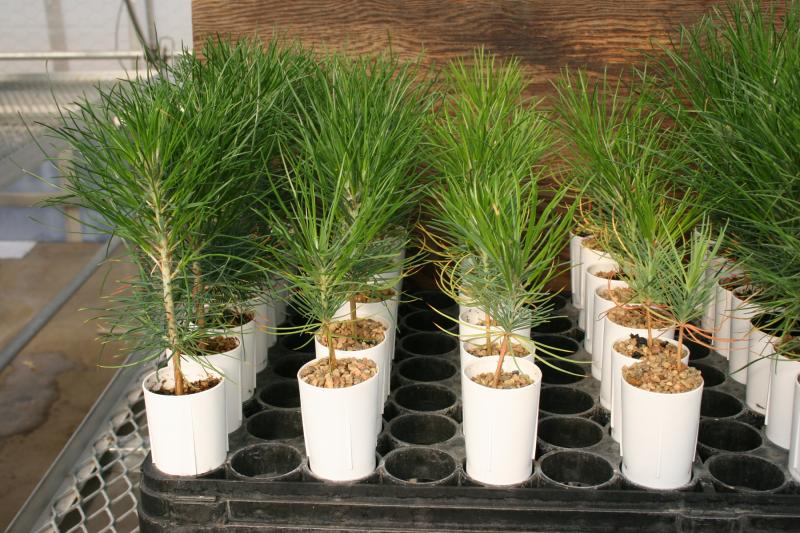
Growing native plants with biochar
Scientists with the US Forest Service are evaluating two ways to use biochar to improve growth of native plants: coating seeds with biochar and adding…
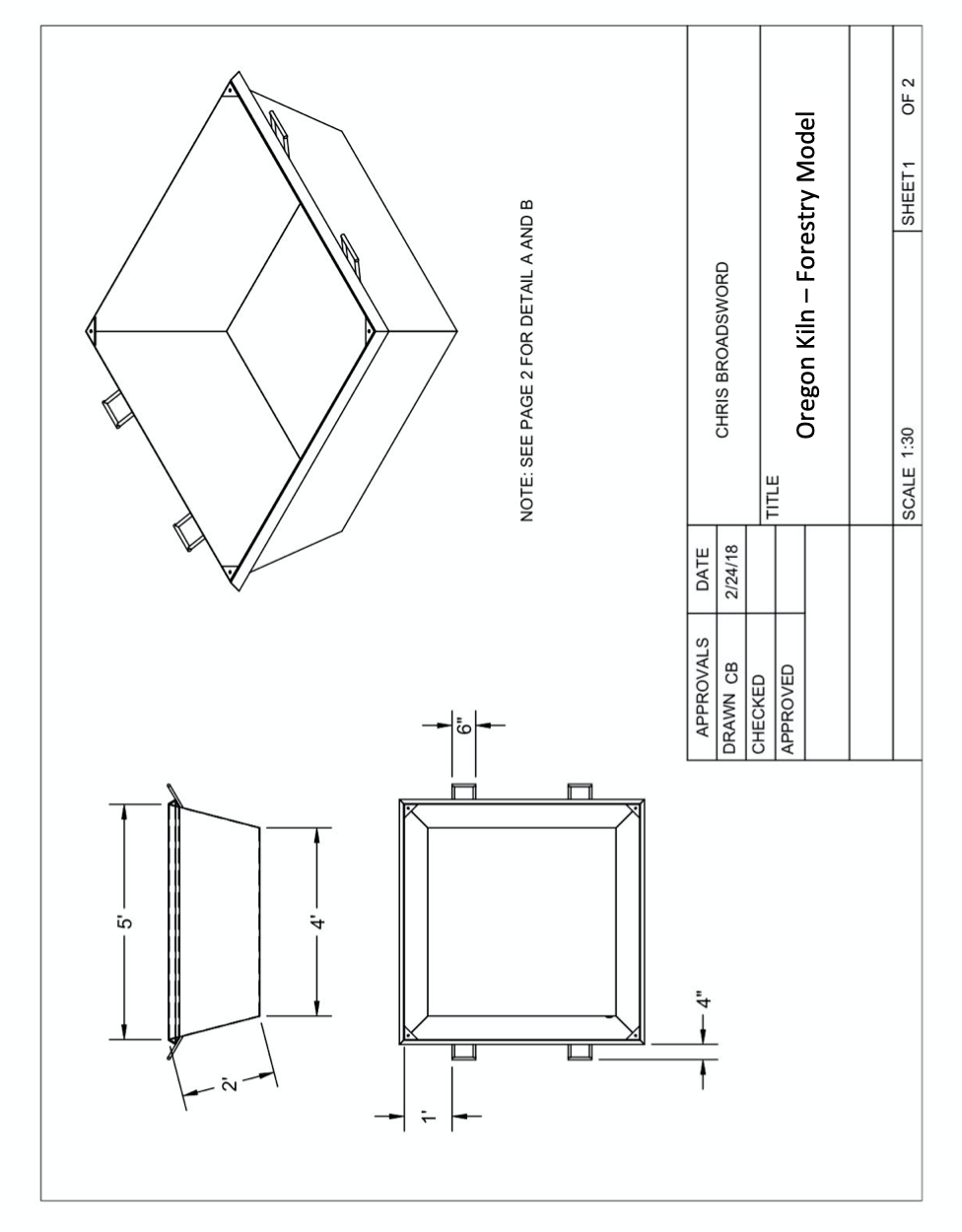
Open Source Kiln Drawings: Oregon Kiln and Ring of Fire Kiln
The Umpqua Biochar Education Team (UBET) developed flame cap kilns for an NRCS Conservation Innovation Grant.